
The word Manyonga, meaning "arms" or "embraces" in Shona, introduces a counter-force: the warmth of holding, the reach of connection, the intimacy of relation.
Felix Shumba is a visual artist whose multidisciplinary practice is structured around the conceptual framework and alternate universe he calls Fold Field Space (FFS), an imagined site untethered from fixed geography. FFS operates as an inverted and parallel rendering of the real world, and is a domain that is governed by a grammar of the irrational. Shumba excavates fragments of violence from unsettled pasts, lifting them from their ostensibly situated contexts to speculate on possible futures. Through artistic exercises of repetition, distortion and modes of theatrical rehearsal, these historical remnants are recycled and reactivated, acquiring new interpretive charge.
Eva Raath is one of Zimbabwe's most distinctive visual voices, a printmaker, textile artist, and painter whose practice occupies the intersection of material ingenuity, cultural rootedness, and formal precision. At the heart of Raath's practice is an engagement with the visual languages of African everyday life, the textiles, patterns, and decorative traditions that permeate domestic and public space across the continent. She draws on sources as diverse as North African tilework and mosaics, the granite rock formations of Zimbabwe's Marondera region, the pattern of the "taxi bag", the ubiquitous woven plastic shopping bag used across Africa, and the organic forms of the natural world. These sources are not treated as raw material to be appropriated, but as living visual grammars that she enters into conversation with, extending and transforming them through her own hands and tools.
Franklyn Dzingai is a printmaker of uncommon commitment and technical distinction. His preferred technique is the reductive cardboard relief print, a method that involves carving into cardboard and removing material progressively with each colour layer, so that the image is built up through subtraction as much as addition. It is an irreversible process, demanding precision, foresight, and a willingness to commit. The resulting prints are vibrant, ornate, and compositionally dense, alive with pattern and movement. His prints are vibrant in colour and ornate in design, sourcing images from books, magazines, newspapers, and family photographs to examine how individual memory contributes to collective identity.
Gideon Gomo is a sculptor and assemblage artist whose practice is built on a profound engagement with material, tradition, and the hidden lives of the objects and people around him. Gomo's practice centres on sculpture and assemblage. He works predominantly with springstone, a material that is itself a cornerstone of Zimbabwean artistic tradition. But Gomo does not reproduce that tradition. He inhabits it critically, manipulating the stone, twisting and turning the material, and then bringing it into conversation with metal, copper sheets, wood, and found objects to create large-scale sculptural interventions that belong simultaneously to the past and the present. His sculptures and assemblages reveal the hidden and ignored voices of society, infused with ritual, fantasy, and dreamlike qualities.
Pardon Mapondera is the youngest of the five artists in the Pavilion of Zimbabwe, and in many respects the most formally unexpected. Mapondera has built a practice out of the material that contemporary consumer society discards: plastic bottles, straws, thread, and other recycled detritus that he transforms, with extraordinary patience and formal intelligence, into complex textile compositions that are visually arresting and conceptually urgent. His practice is, at one level, an act of ecological witness: Mapondera's choice of materials refuses to let us look away from the consequences of consumption. Mapondera does not merely assert his beliefs, he challenges fundamental assumptions about reality, and in the process redefines his role as an artist.
"The 61st Biennale Arte is titled 'In Minor Keys,' curated in memory of the late Koyo Kouoh. Within this framework, the Zimbabwe Pavilion presents Second Nature | Manyonga, an exhibition that explores neuroplasticity as both metaphor and method, an entry point into thinking about how identities, stories, and societies are continuously reshaped."
What is the Venice Biennale?
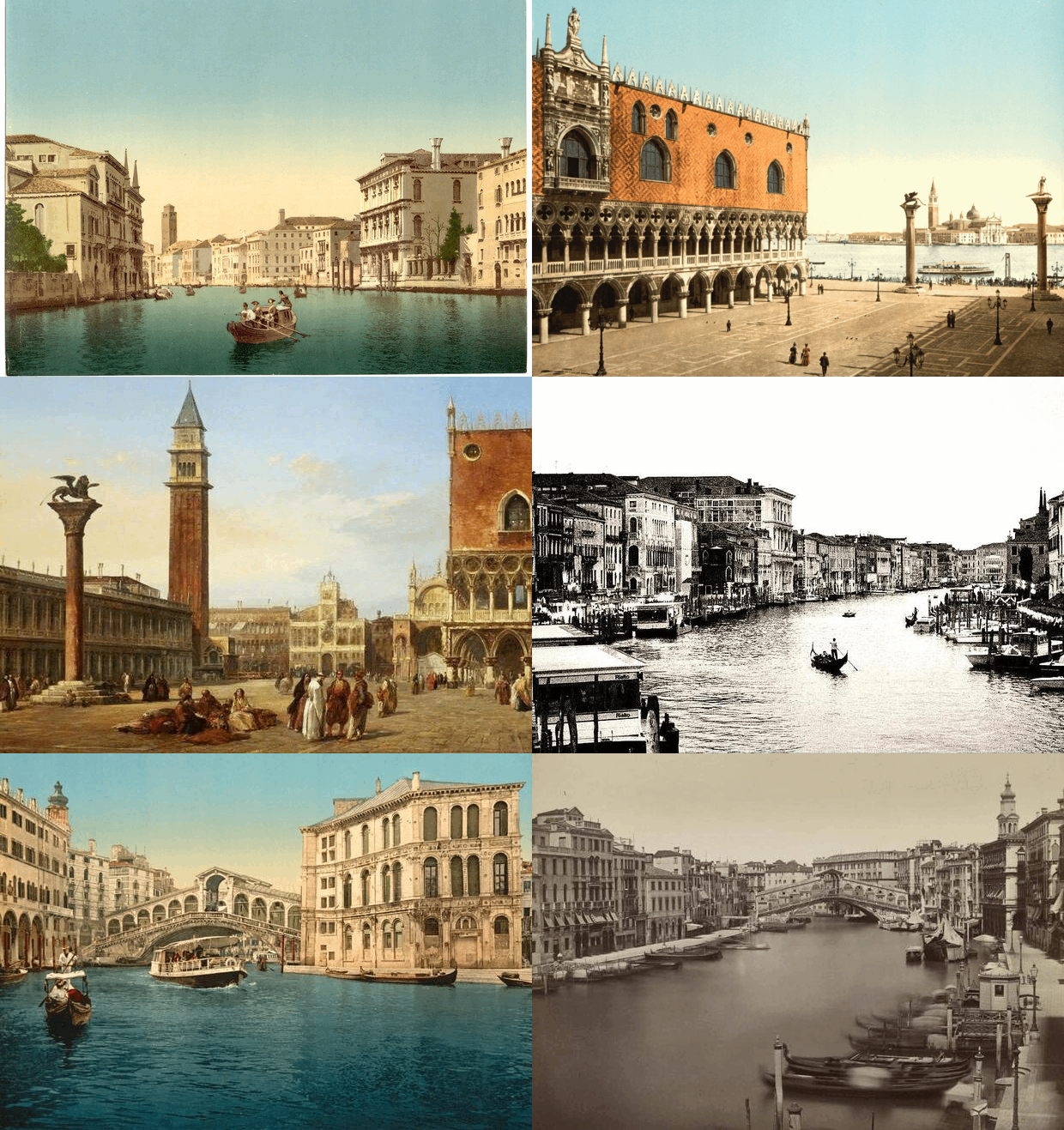
The Venice Biennale (La Biennale di Venezia) is one of the longest-running cultural festivals globally, established in 1895. It serves as a platform for Italian and international art exhibitions, attracting up to 600,000 international visitors annually. The Biennale is renowned for its ambitious exhibitions, setting new global trends and launching the international careers of many pioneering artists and architects.
Why is the Venice Biennale important?
The Venice Biennale provides a platform for Zimbabwean artists to exhibit their work on an international stage, fostering cultural exchange and promoting the diversity of Zimbabwean art and culture. As Minister Anselem Nhamo Sanyatwe stated: "Second Nature can only come from you and not from others, for they are not you and we have never been them."
In Minor Keys, The 61st Biennale Theme
The 61st International Art Exhibition is titled "In Minor Keys," conceived by the late curator Koyo Kouoh. The exhibition is grounded in a deep belief in artists as the vital interpreters of the social and psychic condition and catalysts of new relations and possibilities. It proposes a radical reconnection with art's natural habitat and role in society: the emotional, the visual, the sensory, the affective, the subjective.
The Concept: Second Nature
Second Nature | Manyonga is the Zimbabwe Pavilion's response to In Minor Keys. Our brains are wired to adapt. They rewire when we learn a song, pick up a language, or live through something hard. Scientists call this neuroplasticity. The exhibition takes that idea and asks a simple question: what happens to us when the world around us, especially technology, is changing faster than we can keep up with? Manyonga is the Shona word for "arms" or "embraces", the human counter-force to all that change. Featuring new work by Felix Shumba, Franklyn Dzingai, Gideon Gomo, Pardon Mapondera and Eva Raath.
How long does the Venice Biennale last?
The Biennale spans approximately six months annually, from May until November, alternating between art and architecture each year.
Tickets
Tickets and guided tours for the 61st International Art Exhibition are purchasable online only at www.labiennale.org. Early bird prices are available offering discounted rates for various ticket types and guided tours.
Services for the Public
Both the Giardini and Arsenale venues offer a range of services for visitors, including bars, restaurants, bookshops, infopoints, restrooms with changing tables, and courtesy transport services with electric cars for visitors with reduced mobility.
When and Where
The 61st International Art Exhibition, Biennale Arte 2026, takes place at the Giardini and Arsenale venues from 9 May to 22 November 2026 (preview 6, 7, 8 May).
Where is the Zimbabwe Pavilion?
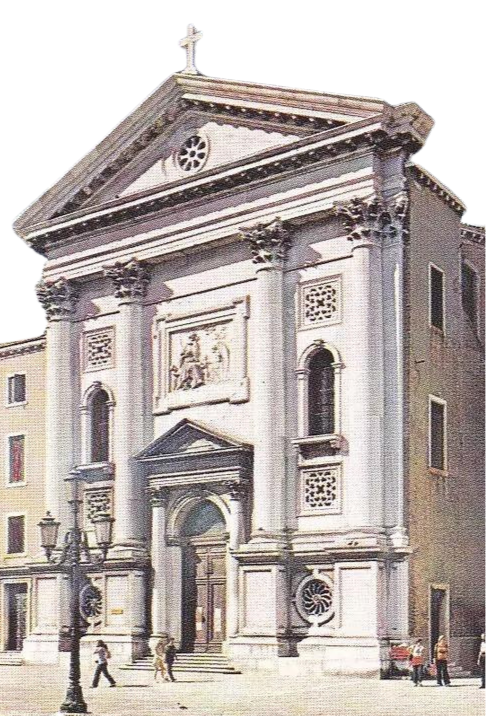
Zimbabwe has its own building during the Venice Art Biennale at the historic Church of the Pietà, Saint Mary of the Visitation.
Venue & Dates
Opening
9 May 2026
Closing
22 November 2026
Edition
61st Biennale
The Santa Maria della Visitazione Church, also known as della Pietà, was built between 1745 and 1760 by Giorgio Massari. It replaced a 15th-century church near Hotel Metropole. The facade, completed in 1906, features classical design elements. Inside, it boasts elegant 18th-century Venetian architecture, including choir stalls where young girls from the institute performed concerts. Antonio Vivaldi, the "red priest," lived and performed here.
Zimbabwe holds the unique distinction of being the only country to have consecutively staged and retained a national pavilion from the project's inception in 2011 to this present edition. Second Nature | Manyonga is the eighth chapter of that ongoing story.
Opening Hours
Tuesday – Sunday
11 am – 7 pm
9 May to 22 November 2026
Getting There
Detailed transportation options and directions can be found on the La Biennale di Venezia website.
CIMAM
Art Africa Magazine
Pavilion of Zimbabwe Announces Exhibition for the 61st International Art Exhibition of La Biennale di Venezia 2026
The Herald · 18 March 2026
Zim Set for Eighth Showcase at Venice Biennale
Africa Art News
Zimbabwe Announces Artists and Theme for Venice Biennale 2026
The Art Newspaper · 5 March 2026
Venice Biennale 2026: All the National Pavilions, Artists and Curators So Far
ArtReview · 12 February 2026
2026 Venice Biennale Pavilions: Your Go-To List
AKKA Project
In Minor Keys: African Presences at the 61st International Art Exhibition
Artlyst · 26 February 2026
Venice Biennale 2026: National Pavilions Plus Collateral Events Guide
Media Enquiries
F. Zvikomborero Mandangu
exhibitions@nationalgallery.co.zw
www.nationalgallery.co.zw
Phone
+263 024 704666/7
+263 8677 00 2043
Address
National Gallery of Zimbabwe
20 Julius Nyerere Way,
Harare, Zimbabwe



Presented by
The Government of the Republic of Zimbabwe
Through the Ministry of Sport, Recreation, Arts and Culture.
Curator
Commissioner
Organised by
With the support of
With the support of
